


Estia is an SSR hero in The Seven Deadly Sins: Origin whose combat role changes depending on her equipped weapon. She can deal Cold damage with a Rapier, support her team with healing and barriers using a Wand, or enhance allied Ultimate damage with a Grimoire. Each configuration offers a different approach to combat, so choosing the right Estia build depends on your team's needs, available equipment, and preferred playstyle. This guide explains her weapon-specific mechanics, recommended stat priorities, skill rotations, and team-building options to help you develop a setup that suits your roster.
Best Estia Build Overview
Estia has three weapon configurations, each with a distinct combat role. If you want to focus on personal damage, Rapier is a practical starting point because its skills revolve around Submerge stacks and damage-enhancing combos. Wand is worth considering when your team needs more healing and defensive support, while Grimoire can benefit lineups that rely on powerful Ultimate attacks.

Rarity: SSR Reroll Rating: N/A
|
Weapon |
Element |
Main Focus |
|
|
|
Rapier |
Cold (DPS) |
Personal damage and Cold damage synergy |
|
|
Wand |
Holy (Sustain) |
Healing, shields, and team survivability |
|
|
Grimoire |
Cold (Support) |
Ultimate damage buffs and enemy debuffs |



These are role-based recommendations rather than a verified ranking of the three builds. Their effectiveness can vary with equipment, team composition, enemy mechanics, and potential investment.
1. Best Estia DPS Build: Rapier
Recommended Weapon
|
|
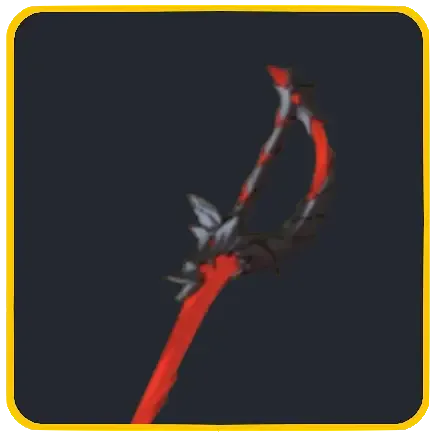
Shadow Rupture Rapier (Best) |
|
|
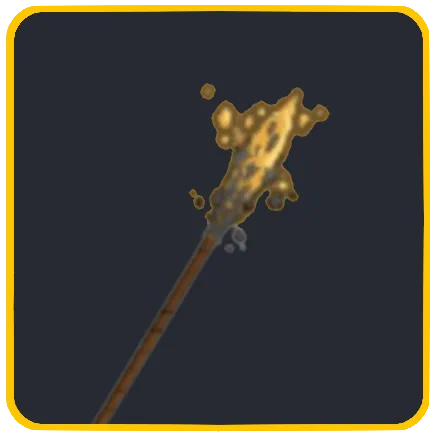
Lichdragon's Roar Rapier |
|
|
Black Flame Wings Rapier |

Recommended Stats for Rapier Estia
For a damage-focused setup, the following stat priorities are a reasonable starting point:
- Attack: Supports the damage of Estia's attacks and skills.
- Critical Rate: Helps her land critical hits more consistently.
- Critical Damage: Improves the value of critical hits and complements her Submerge mechanic.
- Cold Attack and relevant damage bonuses: Support her elemental damage output.
- Survivability: Consider defensive investment if Estia struggles to stay active in challenging encounters.
Key Rapier Skills
- Silent Torrent — Passive
- Aqua Vortex — Special Attack
- Frozen Tempest — Normal Skill
- Freezing Crescendo — Ultimate Move
Recommended Rapier Skill Rotation
A practical rotation to test is:
- Use Aqua Vortex to begin applying Submerge.
- Activate Frozen Tempest while Aqua Vortex is active to trigger Tempest Vortex.
- Continue applying Submerge stacks through the relevant attacks.
- Use Freezing Crescendo when the target has accumulated enough stacks to make its additional damage valuable.
- Take advantage of the refreshed Special Attack cooldown and continue the combo when appropriate.
Treat this as a starting sequence rather than a fixed optimal rotation. Enemy movement, cooldowns, and the duration of Submerge can affect the best timing.
Best Team Composition for Rapier Estia
Rapier Estia is worth testing in a Cold-focused team because her passive provides additional benefits when at least three Cold heroes are present.
A practical team structure could include:
- Estia: Main damage dealer and Submerge applicator.
- Cold damage partner: Contributes damage and benefits from Cold-related team effects.
- Another Cold hero: Helps meet the passive's team requirement and strengthens elemental synergy.
- Flexible utility character: Provides healing, protection, or additional offensive support.
The specific characters should be selected according to your roster and the encounter. Meeting the three-Cold-hero condition can be beneficial, but it should not automatically take priority over overall team synergy or survivability.
2. Estia Wand Build: Healing and Defensive Support
Recommended Weapon: Wand
|
|
Lichdragon's Roar Rapier(Best) |
|
|
Black Flame Wings Rapier |
|
|
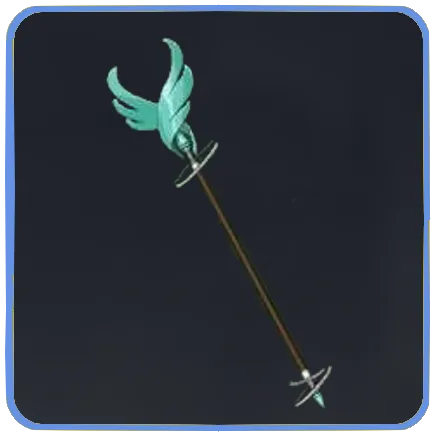
Blessed Wand (Rare) |
Recommended Stats for Wand Estia
Defense is an important stat to consider because several of her defensive effects scale with it.
- Defense: Supports the healing and barriers provided by her relevant skills.
- Max HP and survivability: Help her remain active during demanding encounters.
- Healing and defensive bonuses, where available: May improve her support contribution depending on the equipment system.
- Attack: Can provide additional damage, but should not come at the expense of the defensive role your team needs.
These priorities reflect her documented skill mechanics. The exact stat distribution should be adjusted according to your equipment and the content you are playing.
Key Wand Skills
- Aqua Companions — Passive
- Tidal Grove — Normal Skill
- Heavenly Deluge — Ultimate Move
How to Play Wand Estia
Use Tidal Grove when your team can benefit from sustained healing, and consider the placement of its generated objects. Heavenly Deluge is useful when the party needs additional recovery and barriers.
Wand Estia is a reasonable option for players who need more defensive support in challenging encounters. If your current team already has sufficient healing and protection, however, Rapier's damage or Grimoire's offensive support may better complement your roster.
3. Estia Grimoire Build: Ultimate-Focused Support
Recommended Weapon: Grimoire
|
|
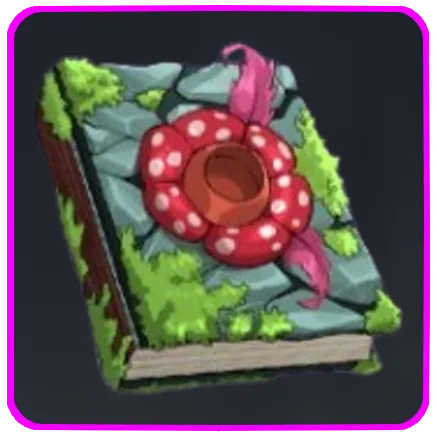
Melody of Temptation Grimoire (Best) |
|
|
Gluttonous Soul Grimoire |
|
|
Indomitable Guard Grimoire |


Recommended Stats for Grimoire Estia
For this setup, consider stats that support her ability to contribute consistently while complementing the team's damage plan.
- Survivability: Helps Estia remain active and continue providing support.
- Useful offensive stats: Improve her personal contribution where appropriate.
- Critical and damage-related bonuses: Consider these if they benefit the relevant skills and equipment effects.
- Consistent support contribution: Prioritize a setup that works with your team's rotation and encounter requirements.
There is not enough evidence here to establish a universal best stat order for Grimoire Estia. Review your available equipment and compare the effects that directly benefit her intended role.
Key Grimoire Skills
Blue Curiosity — Passive
Penguin Wave — Special Attack
Bubble Countdown — Normal Skill
Polar Finale — Ultimate Move
How to Play Grimoire Estia
Coordinate her Combined Attack-related passive with the team's damage windows. Apply enemy debuffs and use powerful Ultimate attacks while the relevant effects are active whenever practical.
Grimoire Estia's value depends on whether your lineup can capitalize on her buffs. If your team rarely uses Combined Attacks or cannot take advantage of Ultimate-related bonuses, another weapon configuration may offer more immediate benefits.
Which Estia Build Should You Choose?
The best choice depends on the role your current team needs rather than a universal ranking.
|
Your Situation |
Build to Consider |
Main Reason |
|
You want a damage-focused Estia |
Rapier |
Submerge mechanics and direct damage |
|
Your team needs more healing |
Wand |
Sustained healing and recovery |
|
Your team needs additional protection |
Wand |
Defense-scaled barriers and defensive utility |
|
Your lineup relies on Ultimate attacks |
Grimoire |
Ultimate damage buffs and enemy debuffs |
|
You are developing Estia for the first time |
Start with one configuration |
Keeps your initial investment focused |
How to Build Estia Efficiently
Because Estia's weapon configurations serve different purposes, developing all three simultaneously may spread your resources too thin. Focus on the role that provides the greatest immediate benefit to your account.
Step 1: Choose your main role.
Decide whether you need personal damage, healing and defensive support, or Ultimate-focused utility.
Step 2: Match your equipment to that role.
For Rapier, consider offensive stats that complement Submerge and critical damage. For Wand, pay attention to Defense and survivability. For Grimoire, choose equipment that supports her contribution to the team's damage cycle.
Step 3: Understand the skill interactions.
Rapier requires coordination between Aqua Vortex and Frozen Tempest. Wand benefits from effective healing and barrier timing, while Grimoire rewards coordinated Combined Attacks and Ultimate damage windows.
Step 4: Test the setup in actual content.
Evaluate whether the build provides the damage, healing, or support your team needs. A setup that performs well in one encounter may not be ideal for another.
Step 5: Invest further after testing.
Once you have identified the configuration that best fits your roster, prioritize its upgrades before committing substantial resources to alternative setups.
Specific equipment sets, substat targets, and potential upgrade priorities should be checked against the current in-game descriptions and tested before being treated as optimal recommendations.
FAQ
Is Rapier the best weapon for Estia?
Rapier is a practical option for a damage-focused build because its skills revolve around Submerge and additional damage from stacked effects. Whether it is Estia's strongest overall configuration depends on equipment, team synergy, and the content being played.
What stats should you prioritize for Estia?
For Rapier, consider Attack, Critical Rate, Critical Damage, and relevant Cold damage bonuses. For Wand, Defense and survivability are important because her healing and barriers include Defense-based scaling. For Grimoire, choose stats according to her support role and the needs of the team.
Is Estia better as a DPS or support?
Both approaches are viable starting points. Rapier makes her a Cold Attacker, Wand turns her into a Holy Warden, and Grimoire gives her a Cold support role. Choose the configuration that best fills a gap in your current roster.
Does Rapier Estia need a Cold team?
Her Silent Torrent passive provides additional benefits when at least three Cold heroes are on the team. A Cold-focused lineup is therefore worth considering, although the final team should still account for individual character strength and the encounter's requirements.
Is Wand Estia worth building?
Wand Estia is worth considering if your team needs healing, barriers, and defensive support. Her value will depend on whether those effects address a meaningful weakness in your current lineup.
Should you invest in all three Estia builds?
It is generally more practical to focus on one configuration first. Once you have suitable equipment and a clear reason to change roles, you can consider developing another weapon setup.
Conclusion
Estia offers three distinct combat roles in The Seven Deadly Sins: Origin, allowing players to adapt her to different team-building needs. Rapier is a practical starting point for those interested in Cold damage and Submerge-based combos, Wand provides healing and defensive utility, and Grimoire supports teams that can take advantage of Ultimate-related buffs and enemy debuffs.
There is no need to assume that one configuration is always the strongest. Choose your Estia build according to your roster, available equipment, and current challenges. By focusing on one role, understanding its skill interactions, and testing your setup in real encounters, you can make more informed decisions about equipment and resource investment. Revisit your build as new testing and balance updates provide a clearer picture of her performance. When you're ready to enhance your in-game progress, check out 7DSO top-up in LDShop for available top-up options.






 TOP UP WITH DISCOUNT NOW

Eira Frost Experienced Game Editor
Hi, I’m Eira Frost, a passionate gamer and content creator who loves exploring the endless possibilities of virtual worlds. From exciting adventures and unique characters to gameplay mechanics and hidden details, I enjoy discovering what makes each game special. Through my writing, I share experiences, insights, and helpful tips with fellow players, hoping to make every gaming journey more enjoyable and memorable.
